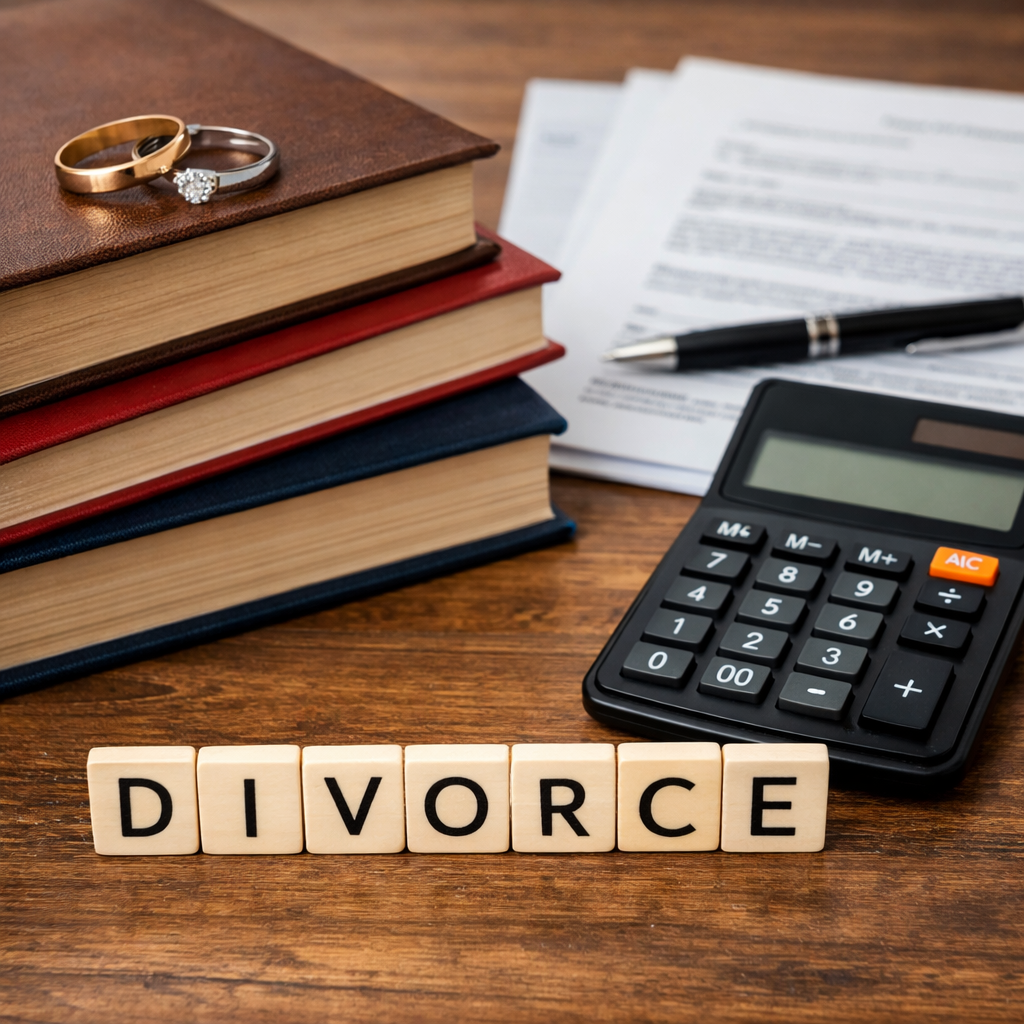
What Are the Alternatives to Divorce Court?
Divorce Court Alternatives? Most Alabama divorces do not go to trial. The judge does not listen to arguments and rule on contested factors in...
5 min read
Charlotte Christian
:
Updated on March 5, 2026
As a married couple, you’ve collected many things together: shells from the beach on your honeymoon, postcards from vacations, and Christmas ornaments… However, perhaps you, like many other couples, have also collected credit card debt. If you are now facing the daunting reality of divorce, you may wonder what will happen with that credit card debt in divorce proceedings.
The answer to that question will depend on several variables, including your resident state, if the card is in your name, whether it is a joint credit card or you are a co-signer, or if the debt was assigned to you in a divorce proceeding. You will need to have that conversation with your divorce attorney, but here are a few factors to consider while dealing with credit card debt during divorce.
You may be feeling the heartbreak of your divorce, but you’ll have to accept that creditors are going to seem heartless towards your situation. Lynn Wardle, a professor at BYU Law, notes that creditors are constitutionally protected from getting involved in divorce proceedings.
She states, “The Constitution protects against the ‘impairment of contracts’ such as the contract between the credit card company and the borrower. Additionally, the credit card companies usually are not parties to the divorce action and it would deny them due process to take their valuable financial rights in those circumstances.”
Marsha Garrison, a professor at Brooklyn Law School, agrees with Wardle, stating, “Bottom line, a divorce court or divorce agreement may determine obligations of spouses toward each other regarding joint debts, but not creditors’ rights regarding collection from debtor spouses.”
Credit card companies legally expect to get paid promptly, and they don’t care which of you does it. They are within their rights to hold you responsible for any credit card debt in divorce if your name is on an account. Even if your former spouse is “supposed to” pay the debt, if they don’t, your credit can get damaged, and collection activities can be directed against you.
Harsh? Maybe. But if you have an agreement with a credit card company – no matter what is happening between you, your spouse, your divorce attorneys, or the judge – that creditor will hold you to it. That being said, although you and your spouse will ultimately be liable for making good on payments, your bank may be willing to work with you to adjust payment due dates during this difficult time. Consider speaking with your banker regarding options that may exist.
For a legal consultation, call (256) 649-2335
Understandably, if you and your partner have credit cards in your own names, you will each be responsible for paying off the balance on your own card, regardless of your marital status. Your divorce proceedings will not affect that reality. This is the case in most states (called common law states).
Debt incurred during the marriage is typically a joint responsibility. This is notable when both parties are co-signers on credit cards. It may not apply if one spouse is just an additional cardholder, with the card under the other spouse’s name.
Shared accounts – cards that contain the names of both parties as primary account holders or as co-signers – can affect the credit standing of both users. In these cases, both you and your spouse are equally liable for the debts incurred. Plan to discuss these debts with your lawyer during the divorce process.
You may also want to file documentation with the courts early on regarding joint credit cards. In this way, you can prevent your spouse from intentionally (or unintentionally) running up debt that you might ultimately also be responsible for.
Ellen Craine, a lawyer and social worker who runs Michigan-based Craine Mediation, recommends another way to prevent additional joint debt, “Set a date after which agreed-upon portions of joint debt are to be transferred onto new cards in each person’s name and joint cards canceled.”
This means divorcees with a substantial credit card debt will have to figure out how they will manage the payments; otherwise, they could risk accruing penalties like interest charges and ruined credit score.
Click to contact our divorce lawyers today
Your marital status does not directly affect your credit score. But, if you have a joint account with your spouse, your ability to pay the balance on time can impact each other’s credit standing. This means if your former spouse skips a payment, makes the payment late, or maxes out the credit card, your score will be affected as well.
During a divorce, you must heed your responsibility to pay the credit card debt in accounts that have your name on it, even if your divorce decree states otherwise. In cases where your ex-spouse has been assigned responsibility to handle the accounts under your name, your credit score will be affected if there are any missed payments or if the account defaults.
A healthy credit score is fundamental to secure financing in your post-divorce phase of life. So, here are three tips you can use to shield your credit score from divorce:
Here, you will be able to see all your joint accounts (the one you share with your former spouse), along with the accounts to which your spouse was added as an authorized user. Watch these closely until it’s time to close these accounts.
Complete a case evaluation form now
Knowing that credit card companies can pursue you to pay a jointly incurred debt that your former spouse doesn’t pay, it’s important that you secure your finances and purposefully protect yourself during the divorce process. Here are some practical tips that may help:
At the end of the day, the priority in dealing with credit card debt in divorce can affect your financial standing. There may be times that you’ll need to choose to put your pride aside to avoid costing you more in the long run in finance charges, credit score damage, and peace of mind.
Call our Alabama divorce attorney at (256) 649-2335 to learn more about how your divorce will impact your personal credit debt obligations.
The preceding is being provided for informational purposes only and is not intended as legal advice. Consult your attorney with specific questions regarding your personal or joint credit card debt in divorce.
Call or text (256) 649-2335 or complete a case evaluation form
Divorce Court Alternatives? Most Alabama divorces do not go to trial. The judge does not listen to arguments and rule on contested factors in...
Divorce can happen due to many factors. Each couple has a different dynamic and has different odds when it comes to how they will manage difficult...
In an uncontested divorce, the spouses settle all their issues without having to go to trial. Alternatively, if there are unresolved disputes...